
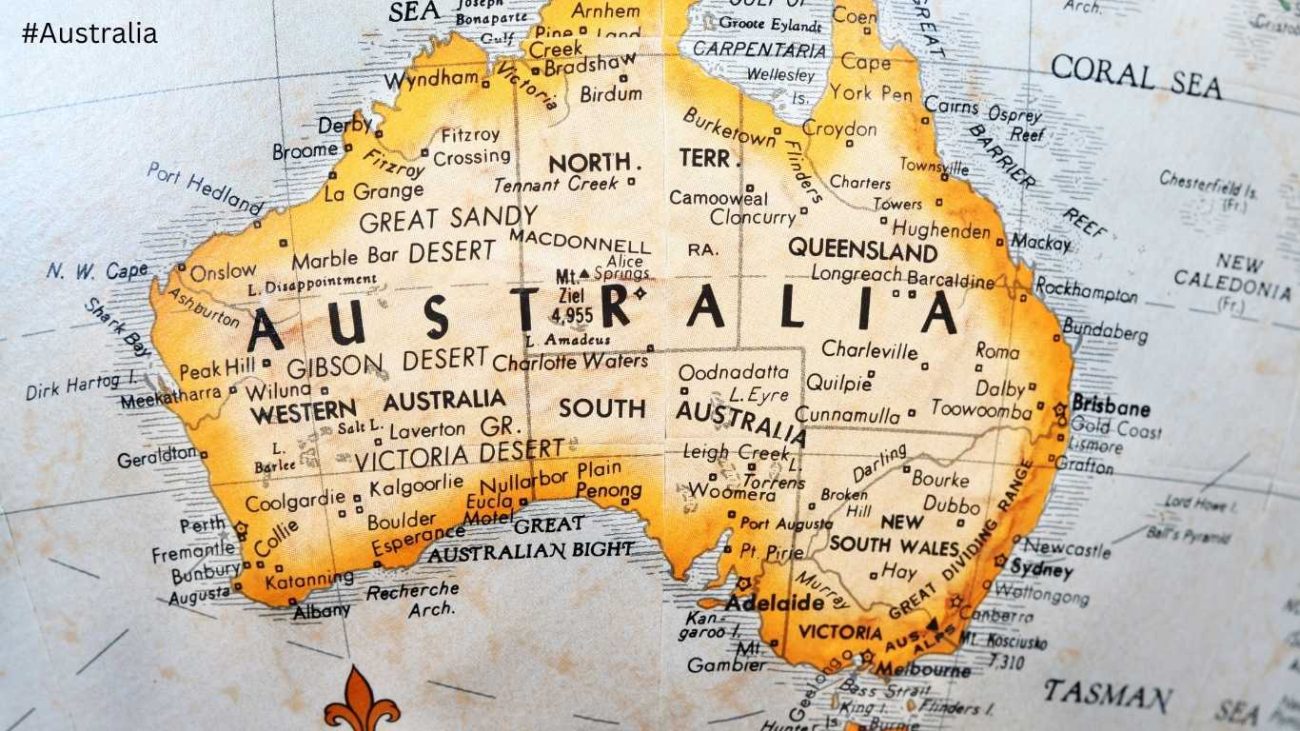
Australia offers many opportunities, for locals, international workers, students, and career changers. But knowing how the job market works, what’s in demand, and what steps to take can make all the difference. Below is a practical look at the key sectors, visa options, and tips for landing work Down Under.
1. The Big Picture: Australia’s Labor Market
Australia’s economy is relatively stable, with a strong services sector, strong labor demand in several regions, and an unemployment rate around 4.1% (mid-2025).
Full-time work is common, but part-time, casual, or contract work also plays a major role, especially for students or those seeking flexibility.
Across industries, some of the biggest employers are healthcare, retail, construction, education, and professional services. The major job hubs are cities like Sydney, Melbourne, Brisbane, Perth, and Adelaide.
2. Most In-Demand Jobs & Sectors
Some fields consistently need talent because of Australia’s evolving needs:
-
Healthcare & Social Support
Roles like registered nurses, aged care workers, disability support staff, general practitioners, mental health professionals. Rural and regional areas often offer more incentives and job security. -
Construction & Infrastructure
Australia continues to invest in infrastructure projects, roads, rail, housing. Civil engineers, electricians, carpenters, plumbers, and project managers are in demand. -
Education & Training
Teachers (especially in science, math, and IT), primary school tutors, vocational trainers. Some roles focus in regional areas where local teacher supply is limited. -
Information Technology
Jobs in software development, data analysis, cloud engineering, cybersecurity, UI/UX design. Many companies now support hybrid or remote work in tech roles. -
Tourism & Hospitality
Especially in tourist towns, seasonal areas, or remote regions. Roles include hotel staff, chefs, bar staff, tour guides. Many of these are filled by working holiday visa holders.
3. City Jobs vs Regional Jobs
Australia is large, and opportunities vary depending on where you live:
-
Cities (Sydney, Melbourne, Brisbane, etc.)
More variety in jobs, more companies, more competition. But cost of living is higher. -
Regional or Remote Areas
Fewer applicants, which means more incentives: relocation assistance, housing support, even visa perks. Many essential services (healthcare, education) need staff in these regions.
4. How to Search & Apply for Jobs
-
Where to Look
Platforms like Seek, Indeed, and Jora are widely used. Government sites like JobSearch and Workforce Australia also list opportunities.
Companies often post jobs directly on their websites, especially large or public organizations.
Recruitment agencies can help, particularly for temporary work or specialized positions. -
Resumes & Cover Letters
Australian resumes are typically 2–3 pages and focus on skills and achievements. Don’t include personal details like age, marital status, or a photo.
Cover letters should be concise, target the hiring person if possible, show you know the role and the organization. -
Interviews
Expect a mix of formal and informal tones. Be clear in describing how your experience maps to the job. Do your homework on the company. Be ready to share examples of your past work.
5. Working in Australia as a Foreigner
If you’re from abroad, here are visa paths you might use:
-
Temporary Skill Shortage (TSS) Visa (subclass 482) for skilled workers sponsored by an employer.
-
Skilled Independent Visa (subclass 189) permanent visa route for certain occupations, based on a points system.
-
Working Holiday Visa (subclasses 417 / 462) lets eligible young people live and work in Australia temporarily (often used for seasonal jobs).
-
Student Visa (subclass 500) allows limited work hours while studying.
Visas and rules change often, so it’s wise to check officially (e.g. Department of Home Affairs) or consult a migration agent.
6. Employee Rights & Protections
Workers in Australia have rights under the Fair Work system. Some basic protections include:
-
Minimum wage (e.g. AUD 24.10/hour for adults as of July 2024)
-
Entitled leave: annual, sick, parental
-
Safe working environment
-
Protection against unfair dismissal
-
For casual workers, extra pay (called “casual loading”) compensates for lack of leave benefits
If something seems unfair, the Fair Work Ombudsman is an agency that enforces these rights.
7. Gig Work & Freelancing
Freelancing and gig roles are growing. Many people use apps or platforms like Uber, Upwork, Airtasker, or Deliveroo. It offers flexibility, but comes with risks: no guaranteed hours, no paid leave, and the need to manage your own insurance, taxes, and superannuation (pension contributions). If you do a lot, you may register as a sole trader and get an Australian Business Number (ABN).
8. What’s Changing in 2025
-
Green jobs & sustainability are rising roles in renewable energy, environmental tech, sustainable construction.
-
Remote/hybrid work is more accepted, especially in tech, consulting, marketing.
-
Lifelong learning & micro-skills are becoming more important. Certifications, short courses, and online training are valued. Many employers look for people who can adapt.
9. Tips for Job Seekers & Migrants
-
Keep your resume up to date and relevant.
-
Use LinkedIn to connect with recruiters, professionals, and local groups.
-
Apply early once jobs are posted.
-
Consider contract or part-time roles to gain local experience.
-
For migrants: match your occupation with Australia’s skilled occupations list, improve English if needed, and get foreign credentials recognized.
-
Volunteering or internships help open local references and work history.
10. Real Stories
-
Raj from India: Started as a part-time barista while studying IT. After graduation, he landed a junior developer role in Melbourne. His advice: show willingness to learn and use networking (meetups, LinkedIn) to land your first role.
-
Emily from Queensland: Worked in hospitality for 15 years. She returned to school, trained as a disability support worker, and now works full time in community care. Her advice: “You can always shift. Training + volunteering + taking chances got me there.”
Final Thoughts
Australia’s job market offers opportunity across many fields, health, tech, trades, education, and hospitality. It might take time, especially for newcomers, but with preparation, persistence, and strategy, you can find a role that aligns with your skills and goals.
