
The job market in the Netherlands is doing well. As of April 2025, unemployment is low (around 3.8%), and many businesses are hiring, especially skilled professionals. Companies increasingly rely on international talent because in many sectors there simply aren’t enough local workers. 🇳🇱
Salaries are rising moderately, expected to beat inflation in 2025. Also, there’s more flexibility in work arrangements: remote work, hybrid schedules, and flexible hours are getting more common.
In-Demand Jobs & Growing Sectors
Here are the industries where you’ve got the best shot right now:
-
Tech / IT – Lots of opportunity for Full-Stack, Java, Python, .NET, Node developers. Also, strong demand in Data Science, AI & Machine Learning, Cybersecurity, and Cloud engineering.
-
Health & Wellness – Nurses, doctors, carers, and medical specialists are highly sought after. Especially those who can register with Dutch health authorities.
-
Construction & Engineering – Civil, electrical, mechanical engineers are needed. Also, skilled trades: electricians, plumbers, carpenters, welders.
-
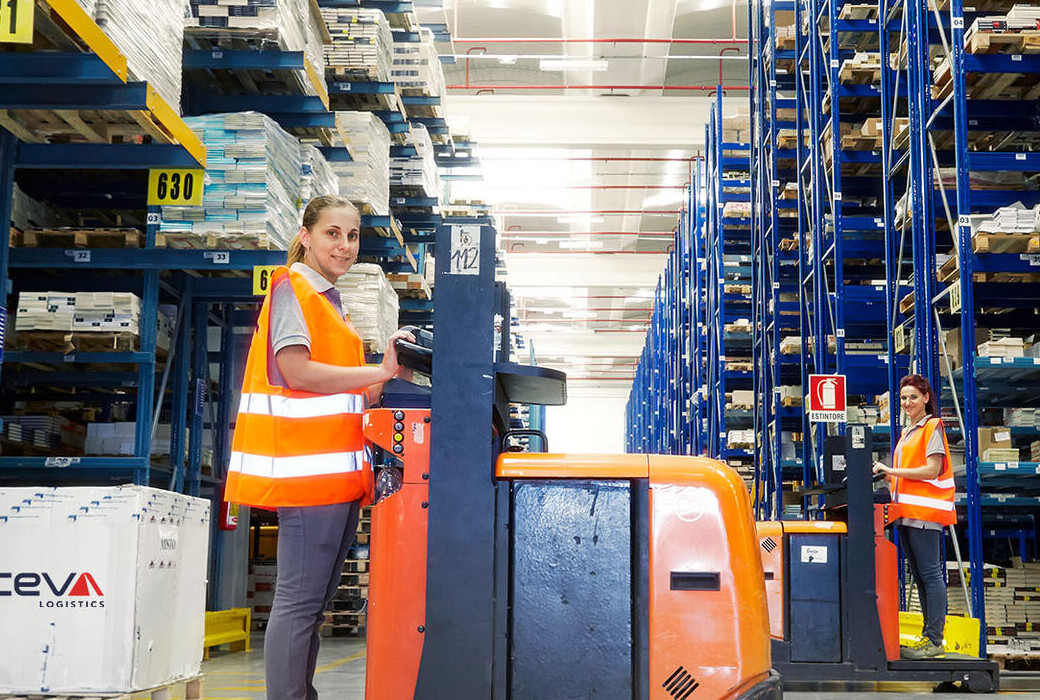
Supply Chain & Logistics – Warehouse supervisors, drivers, and supply chain analysts are in demand given how big a logistics hub the Netherlands is.
-
Finance & Business Services – Financial analysts, accountants (especially with international credentials), risk & compliance officers, project managers, business analysts.
-
Other Fields – HR specialists, marketing managers, and roles that support business growth.
Visa & Work Permits if You’re from Outside the EU
If you’re not from the EU/EEA or Switzerland, there are permit options, but you’ll need to meet specific criteria. Some key pathways:
-
GVVA (Combined Residence & Work Permit) for people planning to live and work in the Netherlands longer term.
-
Highly Skilled Migrant Scheme (HSM) for skilled professionals with recognized sponsors and who meet income thresholds. It also comes with a “30% ruling” that gives tax benefits for certain expats.
-
EU Blue Card for highly qualified individuals (with university degrees) who meet certain income requirements.
-
Orientation Year Permit (OYP) for recent graduates from Dutch universities to give them time to find jobs.
-
In some cases, your employer may need to start the visa process for you, but you’ll be responsible for showing valid documents (passport, contracts, qualifications, etc.).
Living & Working in the Netherlands: What It Costs & What Life Is Like
-
Big cities like Amsterdam, The Hague, Utrecht are expensive. For example, a one-bedroom flat in Amsterdam will cost between €1,800–€2,500/month, while similar rent in Rotterdam is a bit lower.
-
Utilities (gas, electricity, water, internet) run around €150–€250/month; groceries about €250–€400/month.
-
Health insurance is mandatory; expect €130–€160/month for basic coverage.
-
Public transport is good, reliable; monthly pass ~€120. Cycling is extremely common and can save you money.
-
All told, if you live reasonably (not ultra-luxury), a single person might need €2,000–€3,500/month depending on city and lifestyle.
Work Culture & Tips to Succeed
-
The work-life balance is strong. A 40-hour work week is standard; overtime is paid and not necessarily expected.
-
English is widely spoken, especially in international companies. Still, knowing some Dutch helps with fitting in, especially in healthcare and roles dealing with public services.
-
Tailor your CV and cover letters to each job. Highlight any international credentials, tech skills, or experience with English-language environments.
-
Use job boards like LinkedIn, Indeed, Monsterboard, Nationale Vacaturebank. English-friendly job sites like IamExpat.nl are also helpful.
-
Networking helps: both online (LinkedIn, industry groups) and in person (meetups, conferences).
